Bedding Guide
Choosing a Lightweight Comforter for Warm Sleepers
For people who tend to sleep hot, the right comforter should feel like a welcome layer—not a heat trap. Fill, cover fabric, construction, and care all influence how a bed feels overnight, and a lightweight design may help bring the balance into focus.
Warm sleepers know the familiar bedtime dilemma: the room feels cool, but a heavy comforter quickly becomes too much. Throwing off the covers can solve the problem for a moment, only to leave you reaching for them again later. A lighter comforter can offer a more comfortable middle ground, adding gentle coverage without the substantial warmth of a winter-weight layer.
Still, “lightweight” is not a guarantee that a comforter will feel cool to everyone. The experience depends on more than the scale reading or the word printed on a label. A comforter’s filling, shell fabric, stitching, and drape all contribute to its feel, while bedroom temperature, humidity, sleepwear, and personal preference shape the final result.
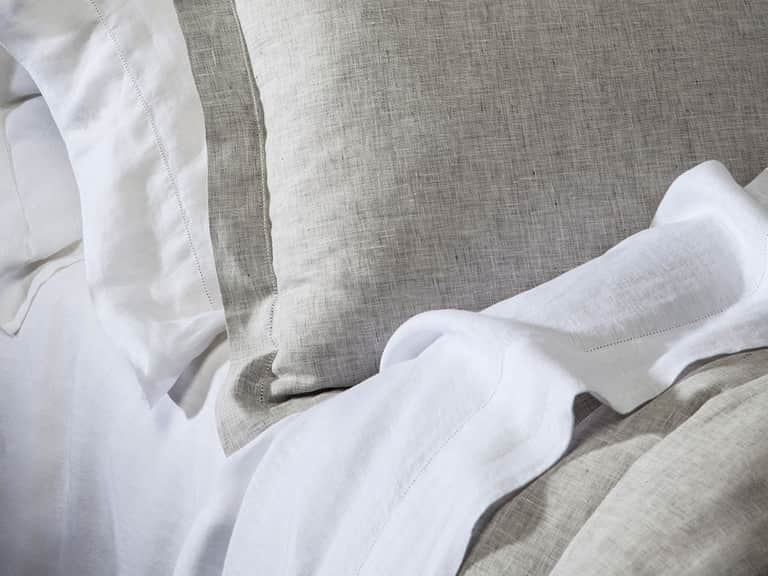
When comparing comforters for warm sleepers, start with the whole construction. Look at what is inside, what touches the skin, and how the piece is meant to be used. The DownTown Company Summer Linen Comforter is one example of a lighter design built around a cotton-linen blend fill and a cotton sateen cover. Its materials offer a helpful starting point for understanding what to look for—and what questions to ask before bringing home a new layer.
What “lightweight” really means
Comforter weight is often discussed as though it were a simple measure of warmth. In practice, a light comforter can still feel cozy, and a thin-looking one can feel warmer than expected depending on the fill and shell. Weight describes how much material is present; warmth describes how the layers work together to hold or release heat.
Some comforters use less filling, creating a flatter, airier profile. Others use a light fill designed to loft, or puff up, and create insulating pockets. The shell can also change the impression: a smooth fabric may drape closely over the body, while a more textured or crisp surface can feel different against the skin. No single feature tells the whole story.
For a warm sleeper, the goal is usually not to eliminate warmth altogether. It is to choose a layer that feels comfortable in the conditions where it will be used. A breathable comforter may suit a warm bedroom or a person who runs hot, while someone in an air-conditioned room might prefer a little more insulation. Room temperature and individual comfort matter as much as the product description.
Start with the filling
The fill affects a comforter’s loft, weight, and insulating feel. Natural fibers and blends can behave differently from one another, and even two comforters described as lightweight may have very different constructions. Read the material details carefully rather than assuming that a particular fiber automatically guarantees a cool night.
Cotton and cotton blends
Cotton is a familiar bedding fiber, and it appears in both comforter fills and shells. A cotton blend can combine characteristics of more than one material, though the precise feel depends on the blend ratio and how the fibers are assembled. Look for the stated composition, rather than relying on a broad phrase like “natural fill” to explain how a comforter is made.
Linen and linen blends
Linen comes from flax and is valued in bedding for its textured hand and ability to allow airflow through the fabric. It can feel relaxed and substantial at the same time, which is why the word “lightweight” should not be treated as a synonym for flimsy. In a comforter, linen may appear in the fill blend, the shell, or both; the construction details tell you which.
The DownTown Company Summer Linen Comforter uses a cotton-linen blend fill beneath a 100% cotton sateen cover. That combination brings together two distinct components: the blended filling and the fabric that forms the exterior. Checking both is useful when comparing bedding materials, especially if you are trying to understand whether a comforter feels airy, smooth, or more insulating.
Wool and other insulating fibers
Wool is often chosen for warmth and may suit sleepers who want a layer that feels more substantial. It is not necessarily the best match for someone looking for the lightest possible coverage in a warm room, but individual preferences vary. As with any fill, check the product’s care guidance and construction before deciding whether it matches your routine.
Pay attention to the cover fabric
The outer shell is the first fabric you feel, so it can strongly shape a comforter’s comfort. A breathable fill does not tell you how the cover will feel, and a smooth cover alone does not explain how warm the whole comforter may be. Consider the shell and filling as a pair.
The Summer Linen Comforter has a 100% cotton sateen cover with an Aloe Vera finish. Sateen is a cotton weave known for a smooth surface. That is a different quality from the fill’s cotton-linen blend: one describes the exterior fabric and its construction, while the other describes the material inside. Keeping those distinctions clear makes product descriptions easier to compare.
Warm sleepers may want to think about how a cover feels against bare skin, how easily air seems to move through the bedding, and whether the surface is comfortable in the room’s usual conditions. If possible, consider the comforter alongside your sheets and sleepwear. Bedding is a system: a thick blanket beneath a light comforter may feel warmer than the comforter alone, while a single layer may be enough in a mild climate.
Look beyond the fiber name
Words such as linen, cotton, and breathable are useful clues, but they are not complete performance guarantees. Fabric weight, weave, fill quantity, stitching, and finishing all affect the result. For example, the same fiber can feel different when it is woven tightly, washed for softness, or used in a thicker construction.
It is also sensible to treat performance claims with care. A product description may characterize a comforter as cooling or temperature regulating, but no bedding can ensure the same experience for every sleeper or room. Comfort depends on the person using it, the surrounding conditions, and the other layers on the bed. Use product information to narrow your options, then compare the details that matter most to your own habits.
If you are uncertain, focus on facts that can be verified: stated fiber content, dimensions, weight, country of manufacture, and cleaning instructions. Those details offer a firmer basis for comparison than a broad promise of “perfect” sleep.
Is the DownTown Company Summer Linen Comforter a good example?
The DownTown Company Summer Linen Comforter is described as a lightweight option for warmer climates and sleepers who prefer less heat. Its fill is a cotton-linen blend, while the cover is cotton sateen with an Aloe Vera finish. It is made in Austria and is offered in Twin, Queen, and King sizes.
The listed dimensions and weights provide practical comparison points: Twin measures 68 by 86 inches and weighs 30 ounces; Queen measures 90 by 94 inches and weighs 42 ounces; King measures 108 by 94 inches and weighs 50 ounces. Size naturally affects total weight, so compare the figure for the size you would actually use. A larger comforter will generally contain more material simply because it covers a larger area.
The product description presents it as suitable for year-round use, with a light feel intended for warmer weather and gentle insulation when temperatures fall. That positioning may appeal to someone who wants one adaptable layer rather than a heavy comforter. Whether it is warm enough for a particular bedroom, however, depends on the room and the sleeper’s preferred level of coverage.
One important planning detail is care: dry cleaning is recommended. That may be perfectly manageable for some households, but it is worth factoring into the decision if you prefer bedding that can be washed at home. Care requirements are part of a comforter’s everyday comfort too—not because they change how it feels during sleep, but because they influence the effort and cost of keeping it fresh.
Choose a warmth level that suits your room
Before deciding what to buy, take stock of the place where the comforter will be used. Is the bedroom consistently warm, or does it cool down overnight? Does air conditioning run through the night? Do you sleep alone, share a bed with someone who prefers a different temperature, or tend to wake feeling too warm? These everyday details can be more helpful than a generic season label.
- For a consistently warm bedroom: Consider a lighter construction and breathable materials, and avoid automatically pairing it with multiple heavy layers.
- For changing temperatures: A lightweight comforter can work as a flexible base layer, with a separate blanket nearby for cooler nights.
- For shared beds: Think about whether both sleepers want the same level of coverage. A lighter comforter may be easier to adjust, but personal needs can differ.
- For seasonal use: Decide whether you want a dedicated warm-weather comforter or a layer that can remain on the bed throughout the year.
These are starting points rather than rules. A person who sleeps hot in one home may be comfortable under a heavier layer in another, simply because the room, mattress, or bedding setup is different.
Use layers strategically
Layering is one of the simplest ways to adapt a bed to changing weather. A lightweight comforter can serve as the main layer, while a folded blanket remains within reach for cooler nights. When the room warms up, removing that extra blanket may be more comfortable than replacing the comforter entirely.
Keep the full bed in mind as you build a setup. Sheets, mattress protectors, duvet covers, pajamas, and throws all contribute to the way heat feels around the body. Adding a thick coverlet over a lightweight comforter, for example, can change the result substantially. If you are still waking too warm, try adjusting one layer at a time so you can identify what makes the difference.
For an uncluttered arrangement, choose a comforter that covers your normal needs and keep an optional layer close by. This practical approach supports flexibility without assuming that any single comforter will be equally comfortable through every season.
Care can make a difference
A comforter’s care instructions should be part of the decision, not an afterthought. Some bedding can be machine washed at home, while other pieces require professional cleaning. Follow the label or manufacturer’s guidance: using a cleaning method that is too harsh, or drying at a temperature that is too high, can damage fabrics and affect the comforter’s shape.
For the DownTown Company Summer Linen Comforter, dry cleaning is recommended. Before choosing it, consider how often you expect to clean the comforter and whether professional care fits your routine. A removable duvet cover can help shield a comforter from everyday contact, but the cover has its own washing instructions and does not eliminate the need to care for the insert as directed.
Between cleanings, airing bedding out and keeping the bed dry can help it feel fresher. Avoid storing a comforter until it is fully clean and dry, and use a breathable storage space when it is not in use. These are modest habits, but they can make seasonal bedding easier to manage.
A simple checklist for comparing comforters
Product pages can present a lot of details at once. To keep the decision manageable, compare a few key points side by side:
- Fill content: Identify each fiber and whether the comforter uses a blend.
- Shell material: Check the exterior fabric separately from the fill.
- Size and weight: Compare the weight for the size you need, rather than relying on a single number without context.
- Construction: Look for information about stitching or compartments that hold the filling in place.
- Care: Confirm whether the comforter can be laundered at home or requires professional cleaning.
- Use case: Consider whether it is intended for warm weather, year-round layering, or a specific climate.
- Personal comfort: Reflect on your bedroom temperature, sleep habits, and tolerance for weight and warmth.
This checklist makes it easier to evaluate bedding materials without getting swept up in vague claims. It also makes comparisons more meaningful: a cotton-linen blend fill and cotton sateen shell, for instance, are specific characteristics that can be weighed alongside size, cleaning requirements, and intended use.
Common misconceptions about comforters for warm sleepers
“Lightweight means cold.” Not necessarily. A lighter comforter can provide a comfortable covering and some warmth; the actual feel depends on its construction and the room.
“Linen always feels cool.” Linen is often appreciated for breathability, but comfort depends on where the linen appears in the product, how it is woven, and what other materials are used. A linen-blend fill is not the same thing as a linen shell.
“A warm-weather comforter will work for everyone.” People’s sleep preferences vary. A comforter that feels just right to one person might feel too warm—or not warm enough—to another.
“The product name tells the whole story.” A name may suggest an intended use, but fiber content, dimensions, construction, and care instructions provide the details needed to judge whether it suits your home.
The bottom line
Choosing a lightweight comforter for warm sleepers is less about finding a magic fabric and more about matching a complete construction to real sleeping conditions. Consider the filling and shell together, review the size and weight, and be realistic about bedroom temperature and personal preference. Then check the care instructions, because a comforter that suits your sleep but not your household routine may not be the best fit.
The DownTown Company Summer Linen Comforter offers a useful example: a cotton-linen blend fill, a cotton sateen cover, stated weights for each size, and a dry-cleaning recommendation. Those details make it possible to assess the comforter thoughtfully rather than relying on the word “summer” alone. For anyone shopping for comforters for warm sleepers, that kind of clear comparison is the best place to begin.
Frequently asked questions
What should warm sleepers look for in a comforter?
Look at fill, shell fabric, overall construction, size, and care requirements. A lighter design with breathable materials may suit a warm sleeper, but room conditions and individual preferences remain important.
Is a cotton-linen blend fill a good option for warm weather?
It may be worth considering, particularly when paired with a suitable cover and lighter construction. The exact feel depends on the blend and how the comforter is made, so review the full material description rather than judging by fiber name alone.
Can a lightweight comforter be used all year?
That depends on the climate, bedroom temperature, and the sleeper. Some people use a lighter comforter year-round and add a blanket in cooler weather; others prefer a separate, warmer option for winter.
How do I know whether a comforter is easy to care for?
Check the care instructions before buying. The Summer Linen Comforter’s listed guidance recommends dry cleaning, so consider whether that maintenance routine works for your household.