Introduction: The Allure of Organic Linen Duvet Covers
When you slip beneath a duvet wrapped in organic linen, you feel more than comfort. You feel a connection to a material lineage that crosses continents, from flax fields in Europe to mills weaving with care in Portugal and beyond. Linen’s breathability helps regulate temperature, a trait that’s especially welcome in fluctuating climates and diverse seasons. Add the organic seal to assure you that the fiber’s journey—from soil to finished fabric—meets stringent ecological standards, and you’ve got a bedding choice that aligns wellness with conscience.
This guide focuses on four pillars: fabric quality and weight, weave and texture, certifications (most notably GOTS and Belgian Linen labels where applicable), and practical care practices that preserve texture, color, and structural integrity over time.
Material and Weave Considerations: What Makes Linen Sit Right on Your Bed
Linen comes in various weights and weaves, each with a distinct hand feel and performance profile. For duvet covers, the weight is often described in grams per square meter (GSM) or ounces per square yard (oz/yd²). A mid-weight linen—roughly in the 160–190 GSM range (about 5.5–6.5 oz/yd²)—offers a balanced drape: crisp enough to hold a fold or edge, yet soft enough to feel luxurious against the skin after a few uses and washes.
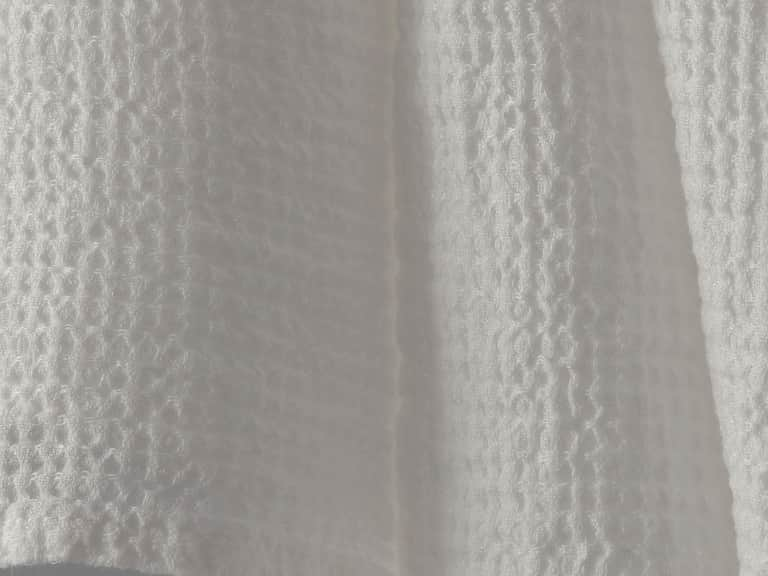
Weave structure matters, too. A plain weave with a tighter loom yields a crisp, cool surface that remains durable with repeated laundering. A garment-washed linen, by contrast, takes on a more relaxed, lived-in hand from the first wash, softening with each cycle. For duvet covers, a relaxed hand is often prized for comfort, while a crisper feel can be preferable for a more formal, hotel-like aesthetic.
Organic linen emphasizes not only fiber purity but also responsible farming, sustainable farming practices, and traceability. When you see an organic linen duvet cover, you’re often looking at flax grown without synthetic pesticides, harvested and processed with attention to low environmental impact, and finished in mills that adhere to strict organic or sustainability criteria.
Certifications to Look For: What Signals Real Sustainability
Certifications serve as external validation of both fiber quality and production ethics. The most widely recognized in this space is the Global Organic Textile Standard (GOTS). GOTS certifies the entire supply chain—from organic farming of flax to the processing, dyeing, and finishing of textiles—ensuring social and environmental criteria are met. A GOTS certificate is a strong signal that the duvet cover you’re considering is produced with organic fibers and processed with responsible chemistry.
The Belgian Linen label is another respected hallmark. It indicates linen fabrics woven in Belgium with European flax, offering assurances of provenance and consistent performance standards. While not a certification in the formal sense like GOTS, the Belgian Linen label is a mark of premium European linen weaving that many designers and brands rely on to communicate quality and authenticity.
When a duvet cover bears these marks, you’re looking at a product designed to minimize environmental impact, support sustainable farming, and maintain higher standards of labor and safety in production.
Practical Advice: Choosing the Right Organic Linen Duvet Cover for You
- Seasonality and weight: Lighter linen covers (roughly 150–170 GSM) feel crisp and cool for warm seasons, while mid-weight or slightly heavier linens provide a bit more warmth and a denser drape for transitional weather.
- Texture and wash impact: Linen actually improves with washing. Garment-washed or stone-washed linen has a softer, more relaxed hand from the start, which many sleepers prefer for its tactile warmth and comfort.
- closures and hardware: Look for durable button closures or hidden envelope-style openings. Coconut shell buttons or natural wood closures are common in premium linen collections and can contribute to a clean, timeless silhouette.
- colorfastness and dye: If you value color integrity over time, choose fabrics finished with low-impact dyes and tested colorfastness, especially for lighter shades that can show wear more readily.
Care and Longevity: Preserving the Beauty of Organic Linen
Linen is inherently durable, but thoughtful care extends its life and preserves its texture. Practically, you’ll want to avoid high-heat drying and harsh detergents that can degrade fibers over time. Opt for a mild, plant-based detergent free of chlorine bleach or optical brighteners. Wash in cooler water to maintain color and fiber integrity, and dry on a low heat setting or line dry when possible.
Ironing linen is simpler when the fabric is slightly damp. A warm iron on the cotton setting after a gentle tumble dry helps restore its crisp finish if you prefer a more polished look. If you enjoy a relaxed aesthetic, you can skip ironing, as linen’s natural texture is a hallmark of its character.
A Look at a Signature Piece: Auburn Coverlet
A standout example of linen craft is the Auburn Coverlet from Libeco. This 100% linen coverlet, finished with a washed texture, center seam, and fringed ends, borrows a classic Belgian weaving tradition. The navy and bronze stripes on an ecru ground wink at nautical and artisanal aesthetics while offering a versatile layer that remains quietly refined.
Crafted from European flax and woven in Belgium, Auburn embodies breathability and durability. Its care instructions emphasize a delicate touch—wash at no more than 30°C, line dry, and iron with steam on slightly damp linen. It’s a piece that invites tactile appreciation and a sense of enduring quality in a bedroom.
This coverlet demonstrates how organic linen bedding can blend heritage craft with modern restraint, creating a focal point that feels both luxurious and grounded in everyday living.
Stories of People Across Time: How Linen Ends Up in Our Beds
Across eras, linen has connected people with the rhythms of the natural world. Here are three key figures whose lives touch the story of linen in bedding.
- Cleopatra VII (69–30 BCE) — While not a linen duvet cover wearer, Cleopatra’s era anchored linen in daily luxury and ceremonial attire. The ancient Nile basin produced linens known for their cool touch and breathability, and linen linens were prized amid the Mediterranean heat. The timeless value of linen’s natural fibers resonates in modern bedding, echoing Cleopatra’s enduring affinity for textiles that feel pristine against the skin.
- Leopold II of Belgium (1835–1909) — A figure central to Belgian textile weaving, Leopold II’s era coincided with the craft that would later give modern linen a prestige framework—Belgian weaving traditions, the hallmark of a quality-linen narrative. The Auburn Coverlet, with its Belgian weaving heritage, nods to this lineage, reminding us how linen’s reputation for craftsmanship persists through centuries.
- Greta Thunberg (born 2003) — In contemporary times, Greta represents a global push toward sustainability and responsible consumption. The organic linen movement aligns with Greta’s ethos: fiber sourcing that respects ecosystems, production practices that minimize chemical use, and transparent supply chains. Organic linen duvet covers fit into this modern climate of accountability, showing how responsible textiles influence today’s bedrooms and tomorrow’s planet.
Product Spotlight: Auburn Coverlet and Organic Linen Decoratives
Auburn Coverlet
100% linen, washed finish, center seam, fringed ends, navy-bronze stripes on ecru. Belgium-origin linen with European flax.
Price: $1,152.00
Care note: Wash at no more than 30°C/86°F, line dry, iron with steam on slightly damp linen.
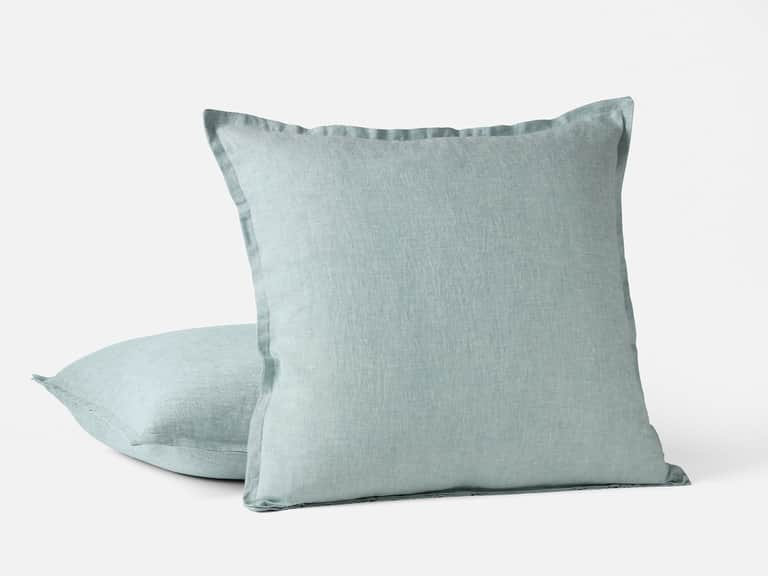
Organic Relaxed Linen Decorative Pillow Cover
100% organic linen, European flax, washed for a relaxed hand, kit-ready for a cohesive linen look.
Price: $88.00
Care instructions: Machine wash cold, tumble dry low. Durable enough for daily use and a natural complement to linen duvet covers.
Starter Guide: Integrating Organic Linen into Your Bedroom
If you’re beginning to build a linen-forward sleep space, start with a duvet cover in a neutral tone, like ivory or natural flax, to anchor other layers. Add a mid-weight linen sheet set in a crisp or garment-washed finish for seasonally adaptive comfort. Introduce a few decorative pieces—pillow covers, a throw, or a lightweight coverlet—to layer texture without overwhelming the room. A touch of color can come from a subtle stripe or dye-free accents that celebrate natural fibers.
For those seeking a showroom-worthy yet realistic approach, the Auburn Coverlet demonstrates how one statement textile can set the tone: tasteful stripes, artisanal details, and a storied weave come together to define a space that feels refined but never precious.
Closing Thoughts: A Calm, Sustainable Sleep Space
Organic linen duvet covers offer more than a sleeping surface—they reflect a philosophy: to sleep well, you deserve textiles that align with your values. Breathability, durability, and the assurance of organic sourcing come together to create bedding that remains comfortable and relevant for years. As linen care becomes a ritual rather than a chore, you’ll discover a bed space that’s easier to maintain, easier to love, and easier to live in, day after day.
Whether you’re drawn to the crisp, European craftsmanship of the Auburn Coverlet or the relaxed ease of Organic Relaxed Linen Pillow Covers, the goal is simple: timeless comfort, responsibly sourced, quietly luxurious.