Blankets provide essential warmth, comfort, and layering options for beds and living spaces, with a focus on material integrity, weave density, and thermal regulation. In linen and natural fiber categories, blankets often emphasize breathability, moisture management, and durability, making them suitable for year-round use across different climates and bedding setups. Key considerations include fiber composition, weave type, weight, and care requirements to preserve softness and performance.
Linen blankets, in particular, are valued for their natural fiber properties, including high breathability, quick-drying performance, and a distinctive textured hand. They tend to soften with each wash while maintaining strong fibers, which supports long-term resilience. These traits make linen blankets a practical choice for layering with sheets, duvets, and other bedding components.
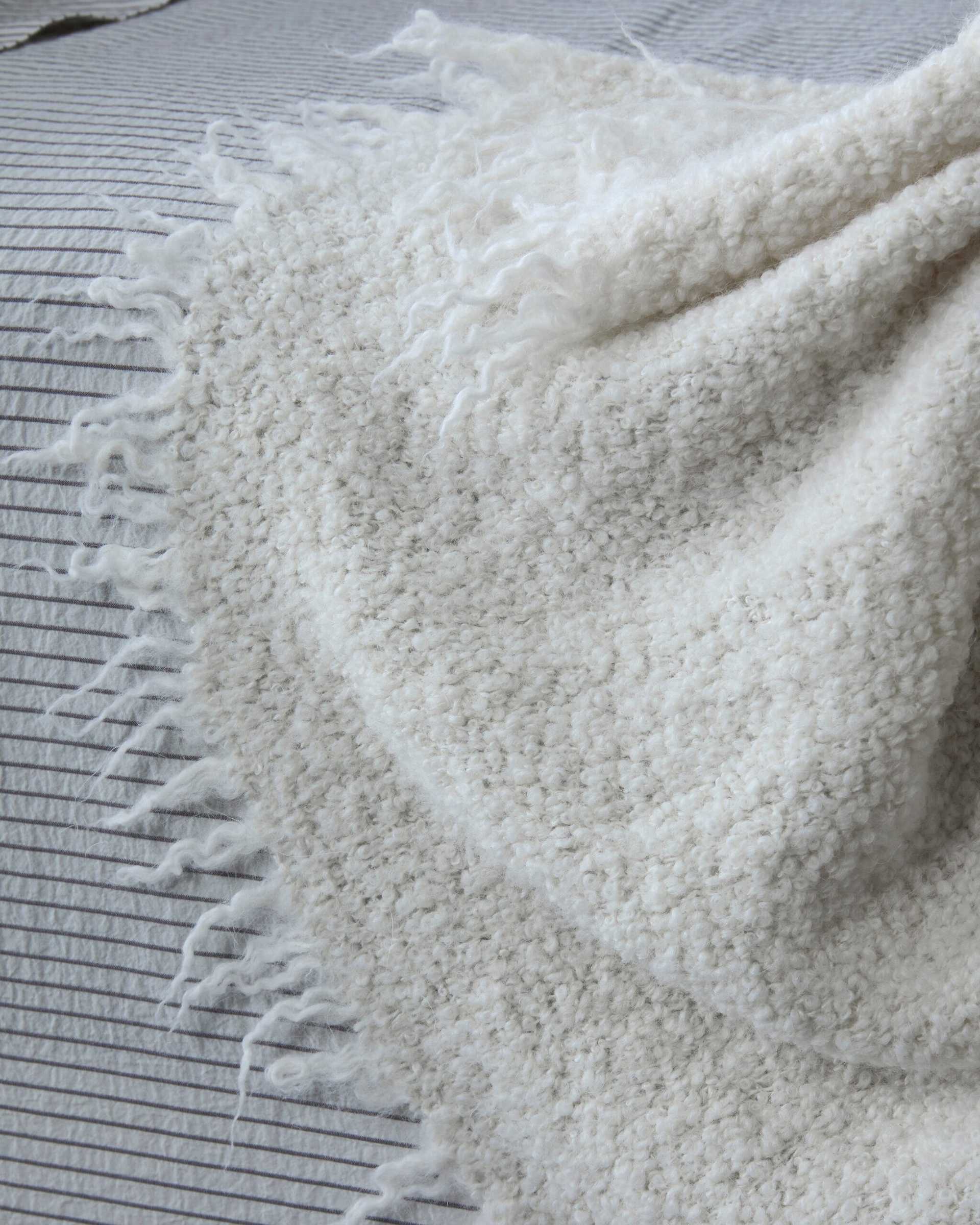
Within this category, the Tuis Blanket exemplifies a design that combines functional benefits with comfort-focused details. It features a balanced weight suitable for cool evenings, a breathable weave to promote air circulation, and a finish that resists pilling while maintaining a soft hand. Such characteristics support restful sleep and versatile room styling.
When evaluating blankets for bedding and home textiles, attention to fiber blend, weave pattern, and care guidance is essential. Natural options like linen and cotton blends offer a hygroscopic feel, helping regulate temperature and reduce humidity buildup. Understanding these features helps users select blankets that align with sleep quality, climate, and household needs.
In addition to warmth and comfort, blankets may integrate practical benefits such as ease of care, colorfastness, and compatibility with other bedding elements like pillows, sheets, and duvet covers. For users seeking durable, breathable options, the emphasis remains on fiber quality, construction integrity, and the ability to maintain softness over time.
 Bedding